Pro Audio Solutions

The curriculum, module by module.

Four designation tracks — Stage Tech, RF Engineer, System Engineer and FOH & MOH Mix Engineer — plus one separate practical programme for local sound vendors. Every module lists exactly what you will learn — no vague promises, no product brochures. Read the syllabus, then talk to us if it fits your goal.

01
Pick one designation

Start with the seat you want — Stage Tech, RF, System or FOH & MOH. You can begin from zero; nobody is expected to walk in already knowing the desk.

02
Learn it properly

Theory, measurement and hands-on desk work, module by module. This is where sound starts making sense instead of becoming button-pushing.

03
Work the shows

Take small gigs, assist on real events, learn what the classroom cannot teach you — then take more work and better work.

04
Build your standing

When people see your name on a show, the work finds you. That reputation — not a certificate — is what gets you hired.

05
Go deeper

Complete the next designation track and your detail level jumps. Sound has everything — depth comes from finishing all of them.

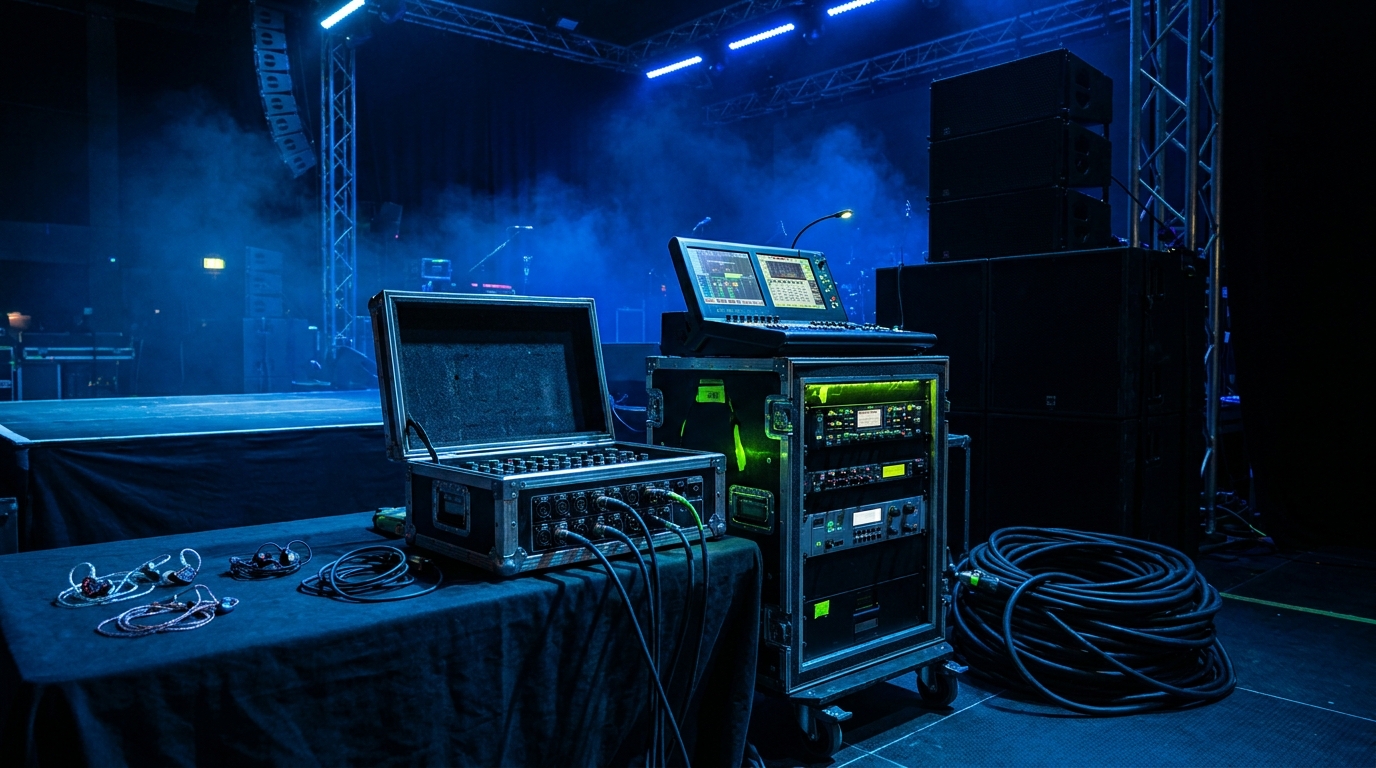
Stage technician setup TRACK 01 · STAGE TECH
Stage Technician

Stage Tech

The stage is a system of its own. Learn how audio really travels from the performer to the console, and how a stage technician keeps that path clean, quiet and ready — including the discipline of line check and changeover.

  • 01The stage as a system — split, returns, and where the audio actually lives.
  • 02Stage box & console architecture — analog split vs digital stage rack.
  • 03Patching and preamp decisions — mic, DI, and the gain that follows.
  • 04Multicore, snake & cabling discipline — laying out a stage that is fast and reliable.
  • 05Monitor world — wedges, IEM mixes, talkback and cues.
  • 06Line check & changeover — the 90 seconds that decide a show.
  • 07Crew coordination & show discipline — comms, documentation, professionalism.

Attendance certificate at the end of the class

Stage boxAnalog / digital splitMulticore Wedges & IEMTalkbackLine check
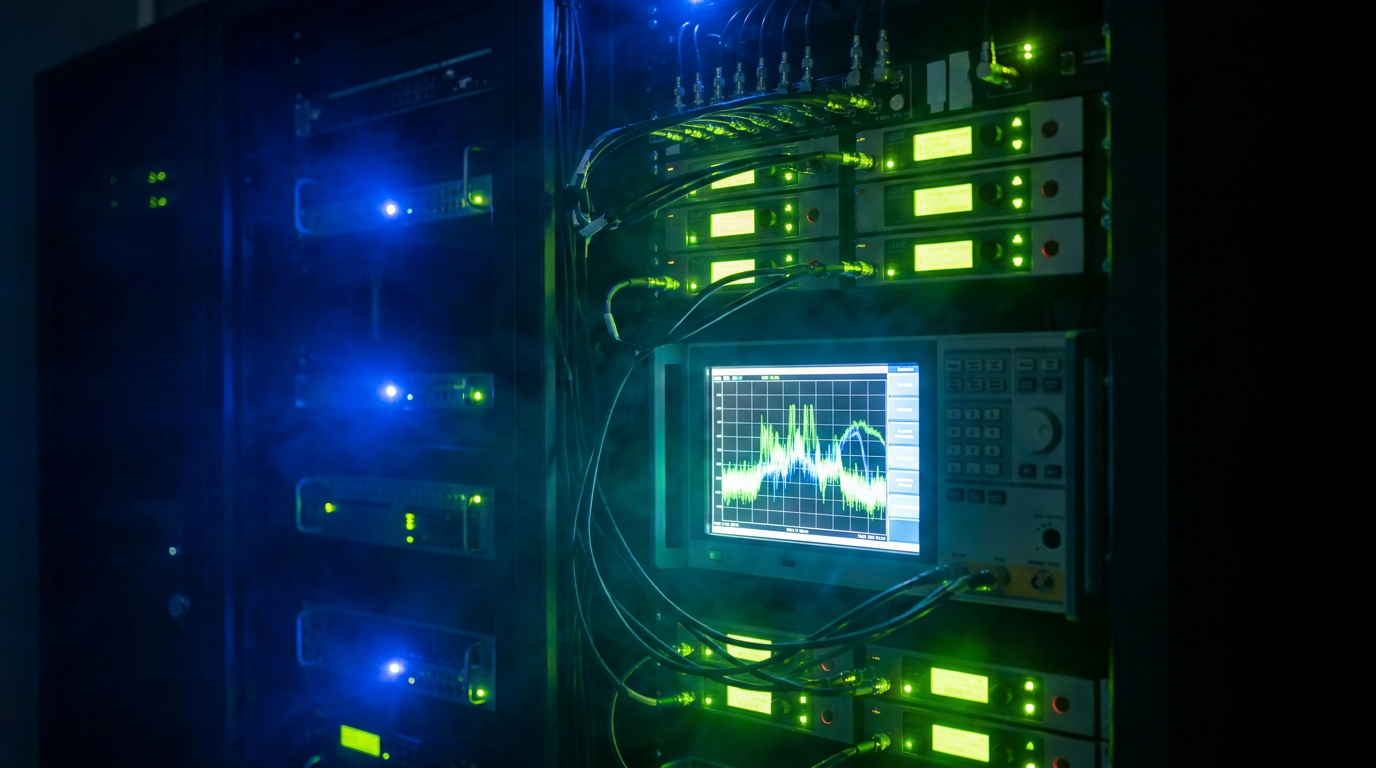
RF engineer antenna rack TRACK 02 · RF ENGINEER
RF Engineer

RF Engineer

Wireless is where most shows quietly fail. Learn the RF behind the microphone — propagation, coordination, intermodulation, antenna choice and distribution — so interference becomes a diagnosis instead of a prayer.

  • 01RF fundamentals — wavelength, propagation, free-space loss.
  • 02Spectrum awareness — who else is on your band, and how to find out.
  • 03Frequency coordination — intermodulation control and clean channel plans.
  • 04Antenna selection & coverage — choosing polarisation, gain and placement.
  • 05Antenna distribution — RF cabling, power, splits and redundancy.
  • 06Wireless mics & in-ear monitoring — managing the full RF inventory.
  • 07Live interference diagnosis — finding the fault on site, fast.

Attendance certificate at the end of the class

CoordinationIntermodAntenna distribution Wireless micsIEMSpectrum
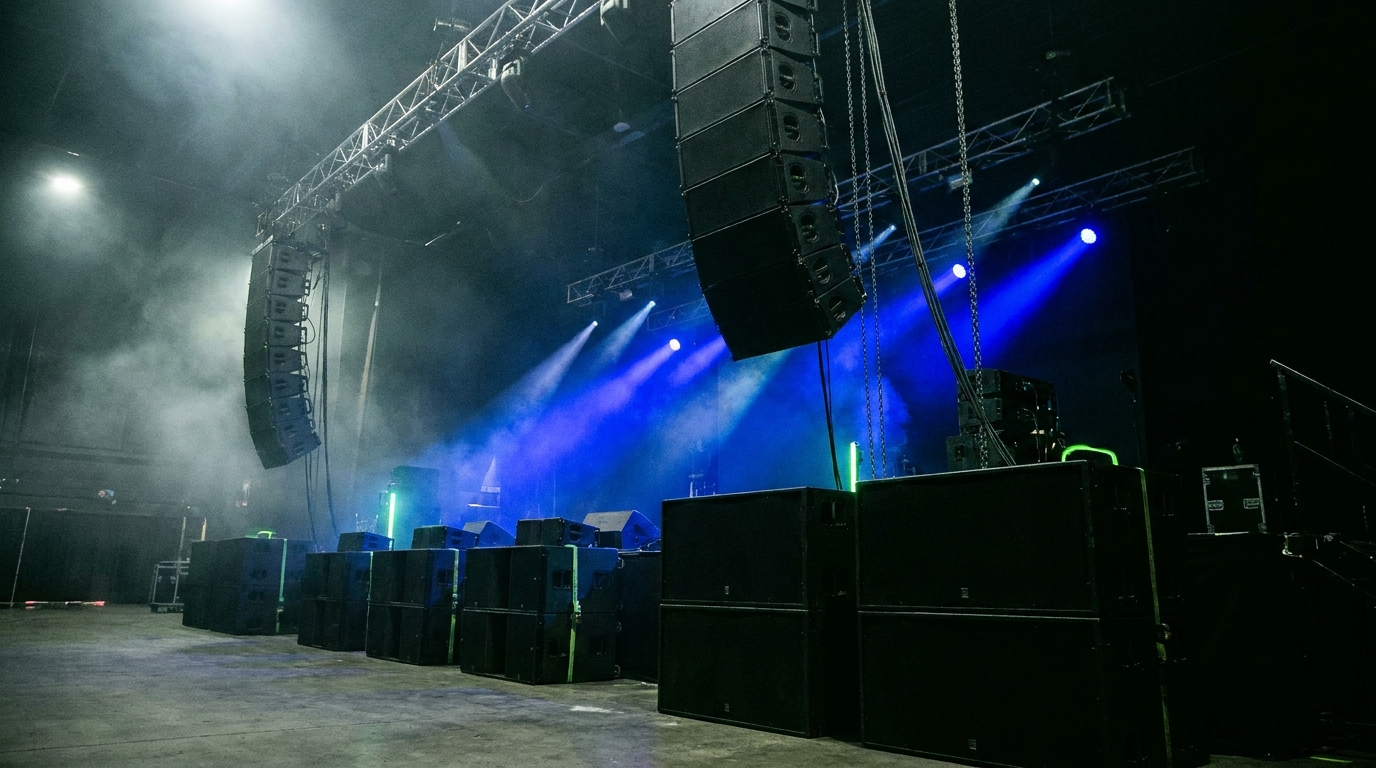
Line array system rigging TRACK 03 · SYSTEM ENGINEER
System Engineer

System Engineer

From the design brief to the final measurement: predict the coverage, choose the system, rig it safely, configure the DSP and finish the system by measuring it — with Smaart, REW and EaseFocus as proof.

  • 01The design brief — room, audience, programme and budget.
  • 02Coverage prediction — SPL, coverage and headroom modelling.
  • 03Line array vs point source — choosing, aiming and setting splay.
  • 04Rigging & safety — load, hardware, wind and working practice.
  • 05Amplifier & DSP configuration — routing, presets, limiting and monitoring.
  • 06Sub alignment — array design, delay and low-frequency strategy.
  • 07Measurement & tuning — filter alignment, coverage and verification.

Attendance certificate at the end of the class

PredictionLine arrayRigging DSPSub alignmentSmaart · REW · EaseFocus
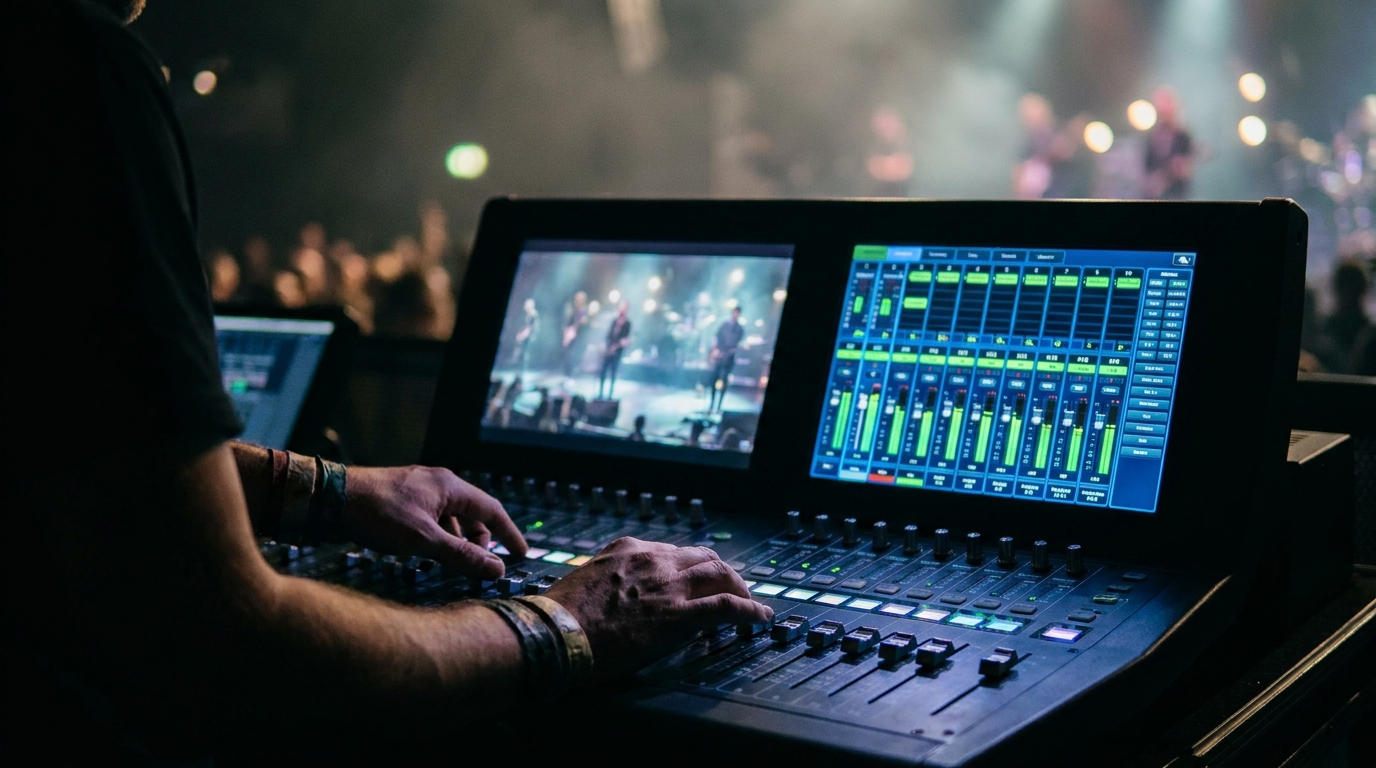
FOH and monitor engineer at the console TRACK 04 · FOH & MOH
FOH & MOH Mix Engineer

FOH & MOH Mix Engineer

Front of house is where the mix is made; monitor is where the artist survives. Learn both sides — gain staging, EQ, dynamics, effects, feedback control and the workflow that keeps you ahead of the show.

  • 01The FOH position — signal flow, gain staging and headroom.
  • 02EQ decisions that survive the room — tonal balance under pressure.
  • 03Dynamics — compression, limiting and what each one really does.
  • 04Effects & sends — reverbs, delays and practical routing.
  • 05Monitor (MOH) mixing — building the mix the artist can actually sing to.
  • 06Feedback control — vocal clarity and the fight for space.
  • 07Show file & scenes — repeatable, fast, and ready for the next show.
  • 08Working with the band — communication, timing and show craft.

Attendance certificate at the end of the class

Gain stagingEQDynamics EffectsMonitor mixShow file
Not for sound engineers

7 + 7 Day Sound Vendor Programme

This programme is not for sound engineers. It is for the small sound vendors who already run local cultural programmes and local orchestra events on a modest budget. The whole idea is simple: with proper technique, even inexpensive equipment can deliver a genuinely good show — and that technique is what this programme teaches.

Attendance certificate at the end of the class

WEEK 01

First 7 days — the basics

Get the fundamentals right. Most bad shows are not caused by expensive gear — they are caused by these seven things being skipped.

  • 01How a sound system really works — signal path, gain, and where quality is actually lost.
  • 02Mic, placement and gain — choosing the right mic and getting a clean signal.
  • 03Mixer fundamentals — level control, fades, and keeping a stable show level.
  • 04Speaker setup and aiming — covering a local hall properly on a modest system.
  • 05Cable, power and a safe rig — a fast, reliable setup that survives a full programme.
  • 06Sound check discipline — running a check that actually protects the show.
  • 07Working with the programme — managing timings, cues and the artist on stage.
WEEK 02

Next 7 days — advanced technique

This is where a cheap system starts sounding expensive — because the decisions behind it are right.

  • 08EQ in a real room — fixing the room with filters, not with volume.
  • 09Compression and control — holding a vocalist steady without flattening the music.
  • 10Feedback control — keeping howl out of the show, live.
  • 11Bass and sub alignment — making the low end work with a small rig.
  • 12Alignment delay — timing the system so the whole room is covered evenly.
  • 13Tuning by measurement — using Smaart or REW to verify what you hear.
  • 14Full run-through — a complete local programme, from load-in to lights down.

Want the full depth instead?

This programme touches everything sound can do, but only lightly. If you want to learn it in detail — the physics, the maths, the measurements — complete the designation tracks. That is where the depth lives.

See the designation tracks
How you learn

Three ways to join the room.

01 Offline classroom

Full access to the studio room, consoles, wireless racks and line array. Batch sizes stay small so everybody works the desk.

02 Live online batch

Join from anywhere with a live session, screen-share of the console and direct feedback on your own mix work.

03 Setup Review live

Send in your setup photos and videos — your rig gets reviewed live, with system design and tuning discussed on air.

Before you enrol — read this honestly

Completing a course does not make you a sound engineer, and we will not pretend otherwise. Two days of classroom is not enough — the market believes it is, and that belief is what keeps good engineers out of work. What this institute gives you is the correct knowledge, real hands-on desk practice and an attendance certificate. What turns that into work is everything you do afterwards: assisting on live shows, taking small gigs, learning to finish a show, and slowly becoming the person people trust with their event.

That is why every track here is designed to be finished, then used — and then deepened with the next designation.

Ready when you are

Pick your track. We will send the batch details.

One WhatsApp message is enough. Tell us which course you want and where you are in your journey — we will reply with timings, fees and what to expect in the first session.